
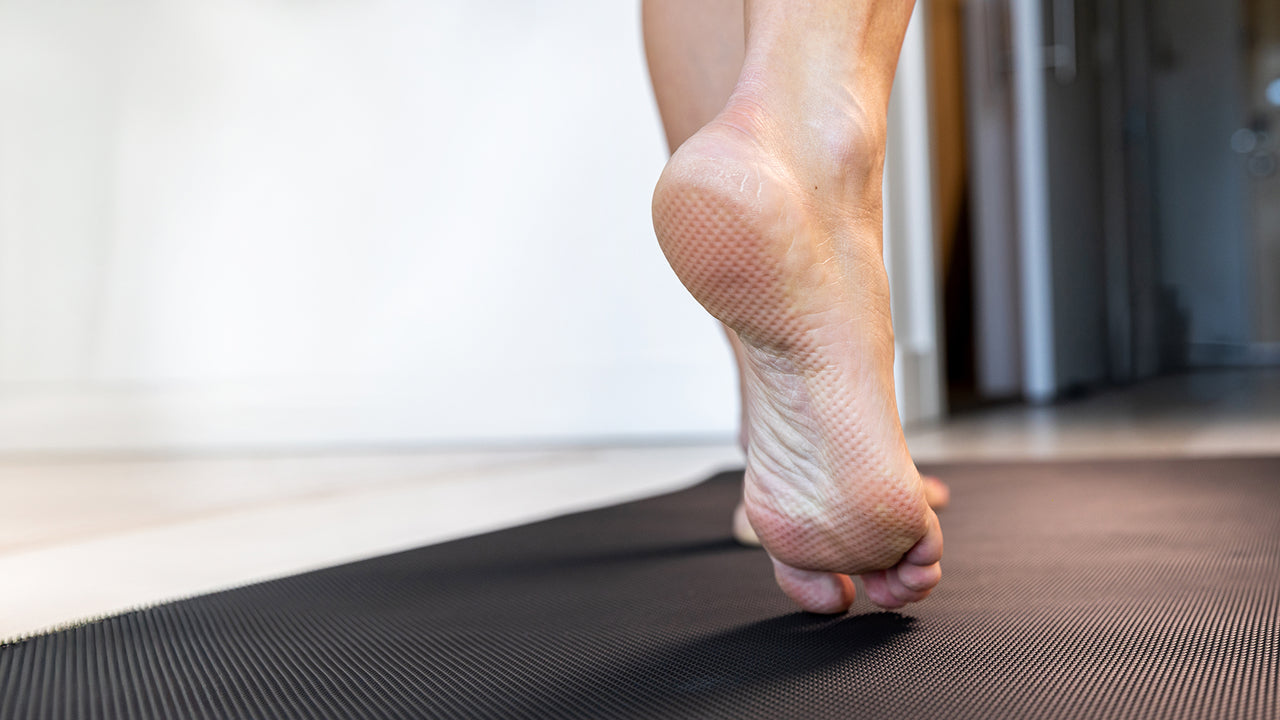
Walking is one of the most fundamental human movements—but it is also one of the most powerful predictors of health and longevity. Research has identified walking speed as the 'sixth vital sign,' meaning it provides critical insight into overall health, independence, and mortality risk. Yet despite its importance, many people do not understand what actually determines walking speed or how to improve it.
Why Walking Speed Matters
Walking speed is more than just how fast someone moves from point A to point B. It reflects the integration of multiple systems in the body, including the nervous system, musculoskeletal system, and cardiovascular system. Slower walking speed has been associated with reduced independence, increased fall risk, and higher rates of morbidity and mortality.
The Three Key Drivers of Walking Speed
There are three primary factors that determine walking speed: balance, mobility, and fascial elasticity. Each of these components plays a unique role in how efficiently and effectively the body moves.
1. Balance and Single-Leg Stability
Walking is essentially a series of controlled falls from one leg to the other. The ability to stand on one leg—known as single-leg stance—is critical for maintaining step length and rhythm. If balance is compromised, individuals shorten their steps and move more cautiously, reducing overall speed.
What Affects Balance?
Balance can be influenced by several factors, including sensory input from the feet, vision, inner ear function, and neurological health. Conditions such as neuropathy, aging-related sensory decline, and certain medications can impair balance and increase fall risk.
How to Improve Balance
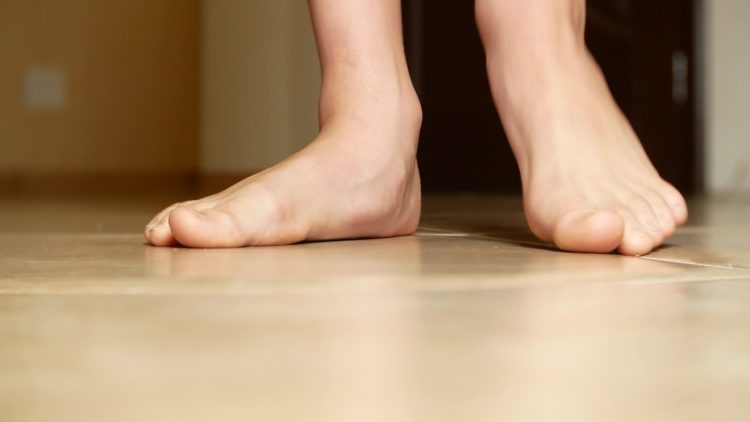
Improving balance starts with enhancing sensory awareness of the feet. Training barefoot or using sensory tools can help individuals better perceive their weight distribution. Exercises such as single-leg stance, forward lean drills, and intrinsic foot strengthening can significantly improve stability.
2. Mobility and Step Length
Mobility is the second major factor influencing walking speed. To take longer, more efficient steps, the body needs sufficient range of motion in key areas, including the ankle, big toe, pelvis, and thoracic spine.
Why Step Length Matters
Step length is directly related to walking speed. If mobility is limited, individuals cannot fully extend their stride, leading to shorter, less efficient steps. This often results in increased energy expenditure and reduced movement efficiency.
Key Areas to Address
Improving mobility requires a full-body approach. The pelvis and thoracic spine must move in coordination to allow for proper rotation and stride length. Additionally, ankle dorsiflexion and big toe mobility are essential for effective push-off and propulsion.
3. Fascial Elasticity and Efficiency
The third component of walking speed is fascial elasticity. Fascia is the connective tissue that surrounds muscles and helps store and release energy during movement. When fascia is healthy and hydrated, it acts like a spring, allowing for efficient, effortless motion.
Why Fascia Matters for Walking
Efficient walking relies on the ability to store and release energy through the fascial system. Without this elasticity, movement becomes more muscular and less efficient, leading to fatigue and reduced endurance.
Factors That Impact Fascial Health
Fascial health can be affected by hydration, movement, injury history, and inflammation. Aging, sedentary lifestyles, and poor nutrition can all contribute to reduced elasticity, making movement more difficult and less efficient.
How to Improve Fascial Function
Maintaining fascial health requires regular movement, hydration, and myofascial release techniques. Activities that promote full-body motion, such as walking with proper arm swing, can help maintain elasticity and improve efficiency.
Putting It All Together
To improve walking speed, all three components—balance, mobility, and fascia—must be addressed. Focusing on just one area will not produce optimal results. A comprehensive approach ensures that the body can move efficiently, maintain speed, and reduce the risk of injury or decline.
Practical Takeaways
1. Train balance daily with single-leg exercises.
2. Improve mobility in the pelvis, spine, ankle, and big toe.
3. Support fascial health through movement and hydration.
4. Encourage longer, more efficient strides.
5. Monitor walking speed as a key health indicator.
Final Thoughts
Walking speed is one of the most powerful indicators of health and longevity. By understanding the factors that influence it and taking a proactive approach to training, individuals can improve their movement, maintain independence, and enhance overall quality of life.


Leave a comment
This site is protected by hCaptcha and the hCaptcha Privacy Policy and Terms of Service apply.