
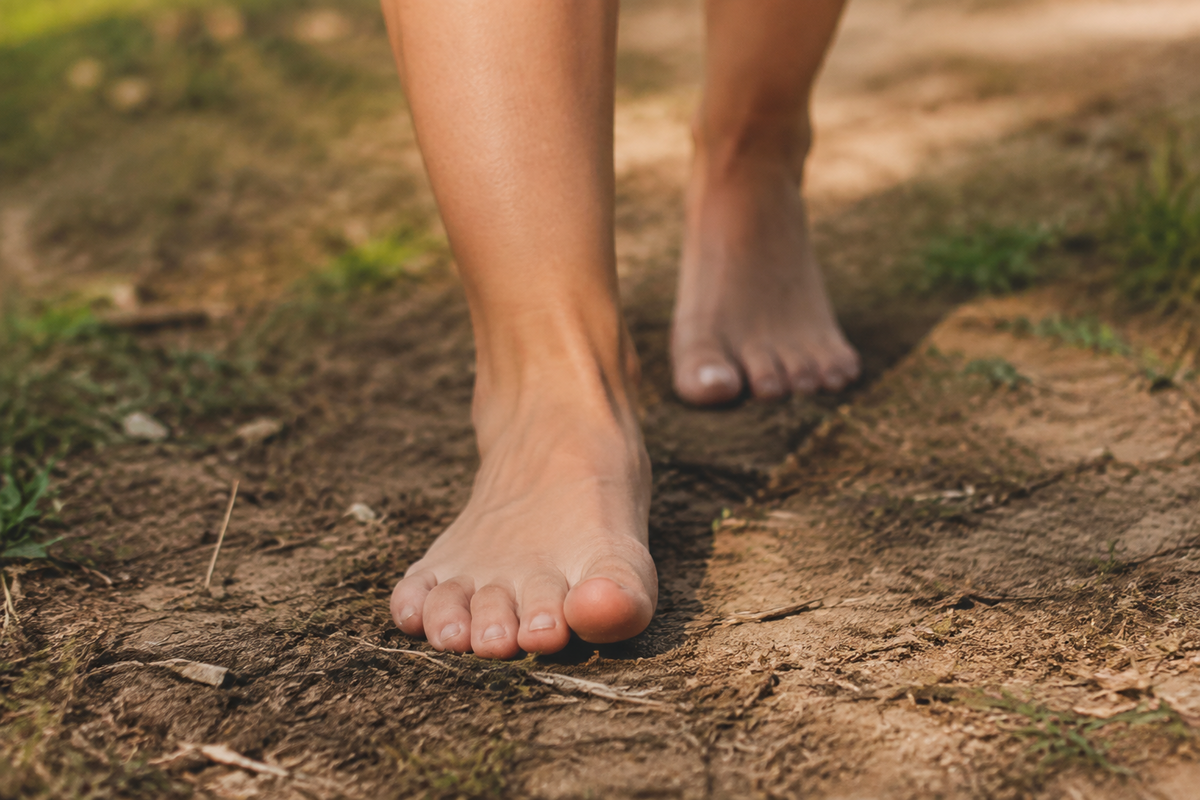
Born to Walk: Why the Human Foot Is Designed for Movement
Have you ever stopped to think about just how incredible the human foot really is? Twenty-six bones. Thirty-three joints. Layers of muscles, fascia, tendons, ligaments, nerves and sensory receptors...

The Athletic Arch: Why Strong Feet Must Also Be Elastic
When most people think about a strong foot, they imagine a rigid, stable arch—one that holds its shape and resists collapsing under pressure. But the human foot was not designed to remain rigid. It...

Athletic Pubalgia: Why the Pelvis Is the Missing Link in Chronic Groin Pain
In 2012, I experienced one of the most frustrating injuries of my career. I tore my rectus abdominis off my pubic bone—an injury commonly referred to as a sports hernia, but more accurately known a...
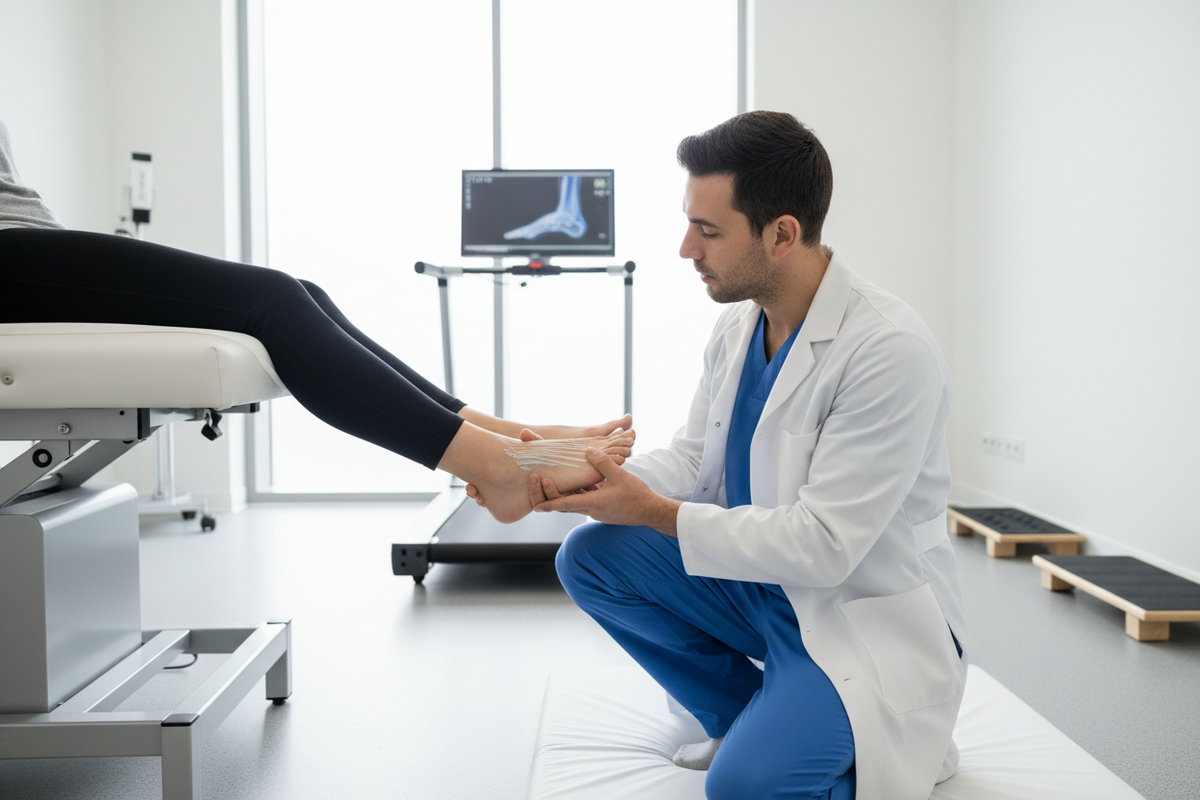
Barefoot Science in Rehabilitation: Why the Feet Are the Foundation of Recovery
For decades, rehabilitation has focused on strengthening muscles, improving mobility, and correcting movement patterns. While these approaches remain essential, advances in neuroscience have reveal...
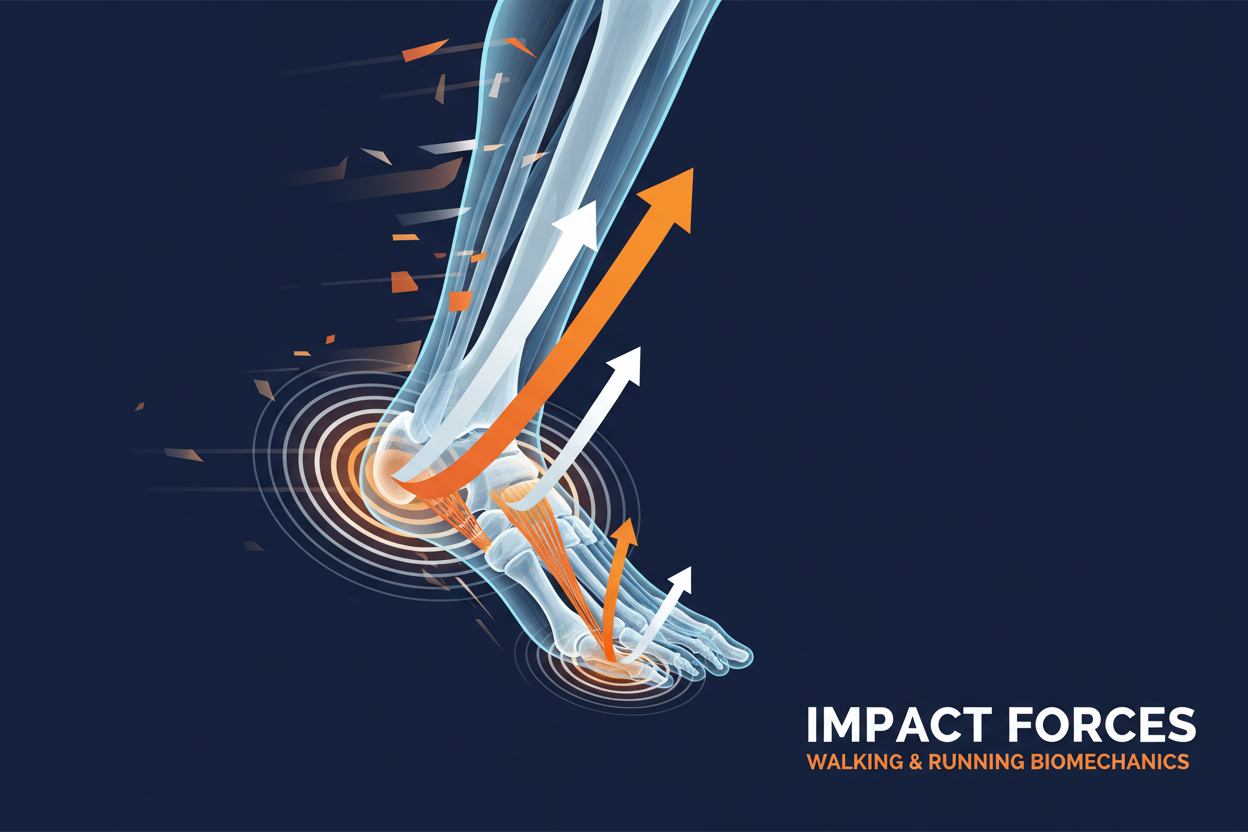
Rethinking Impact | Why Your Body Doesn't Want Less Force—It Wants Better Information
For decades we've been told that the key to preventing running injuries is simple: reduce impact. Softer shoes. More cushioning. More shock absorption. But what if we've been asking the wrong quest...
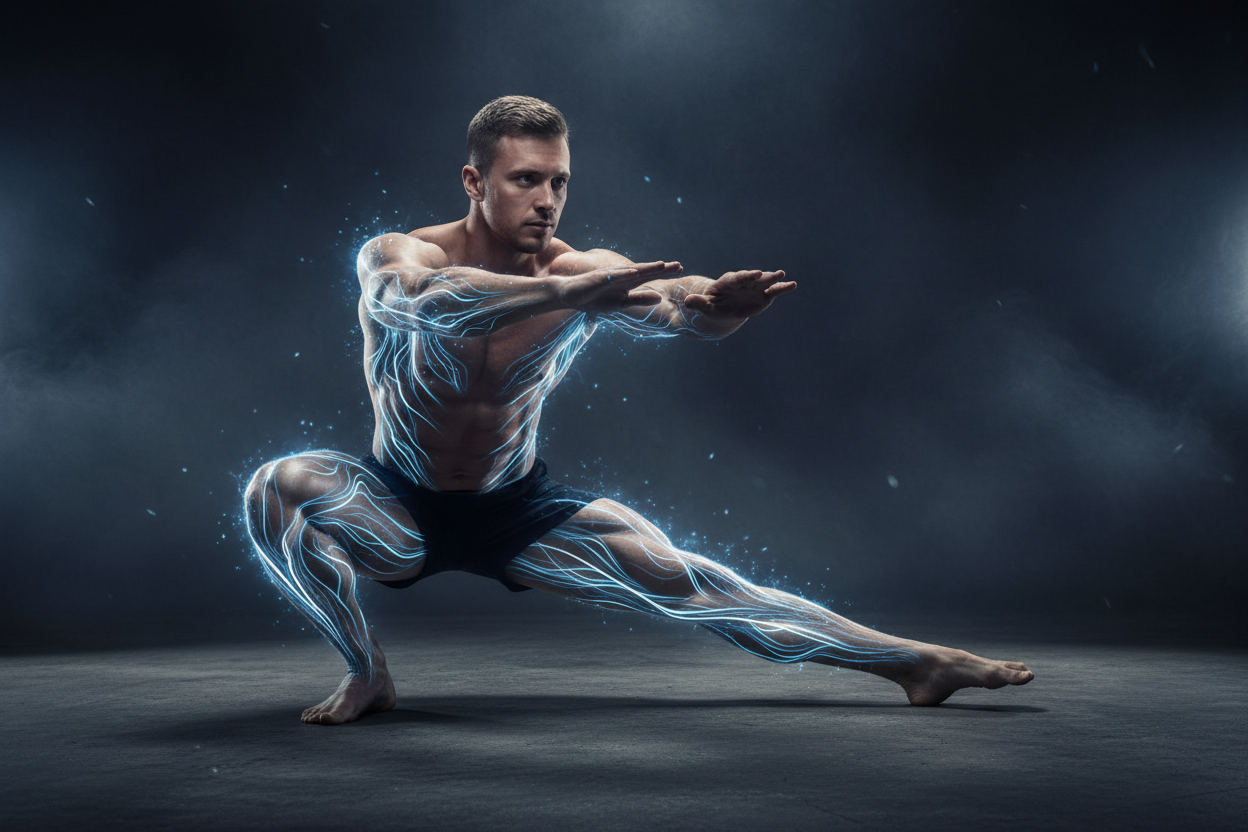
Fascial Tensioning: The Missing Link to Strength, Stability, and Movement Efficiency
Why true performance begins with tension—not movement. When most people hear the word fascia, they think of foam rollers, massage guns, or releasing tight tissue. But fascia is far more than a tis...